Your packaging design may look perfect on screen, but what if the finished bags have the wrong colors, don’t fit your product, or fail to meet your requirements?
Discovering these problems after mass production can lead to wasted packaging, extra costs, and launch delays.
That’s why sampling matters. The right sample helps you identify potential problems before committing to full production.
What Should You Verify Before Requesting Samples?
Before developing new packaging, consider what you actually need to check.
If you’re testing a new product and sales are still uncertain, you may simply want a finished pouch to see whether your product fits, whether the dimensions work, and whether the overall design looks right.
If your packaging design is nearly finalized but brand colors are especially important, you may want to see how the artwork looks when printed on an actual gravure press.
If your product has specific requirements for seal strength, airtightness, or barrier performance, you’ll also need to consider whether the sample is representative of the intended production process.
Different goals require different types of samples.
Before investing in gravure cylinders, check the pouch dimensions, artwork placement, and final design file with your supplier. Agree on any necessary revisions and approve the final version first. Changes after cylinder production can add costs and delay the project.
Digitally Printed Samples or Gravure Press Proofs: Which Should You Choose?
Both options allow you to evaluate packaging before mass production, but they differ in their purpose, upfront investment, and what they can realistically verify.
They are alternative approaches, not two mandatory steps that every project must complete.
Digitally Printed Pouch Samples: A Practical Starting Point for New Products
If you’re launching a new product and don’t yet know how well it will sell, paying for gravure printing cylinders can be a significant early investment.
This is especially important when the pouch dimensions, packaging design, or product specifications may still change.
A digitally printed pouch sample offers another option.
You can receive a complete, physically printed pouch without first investing in gravure printing cylinders.
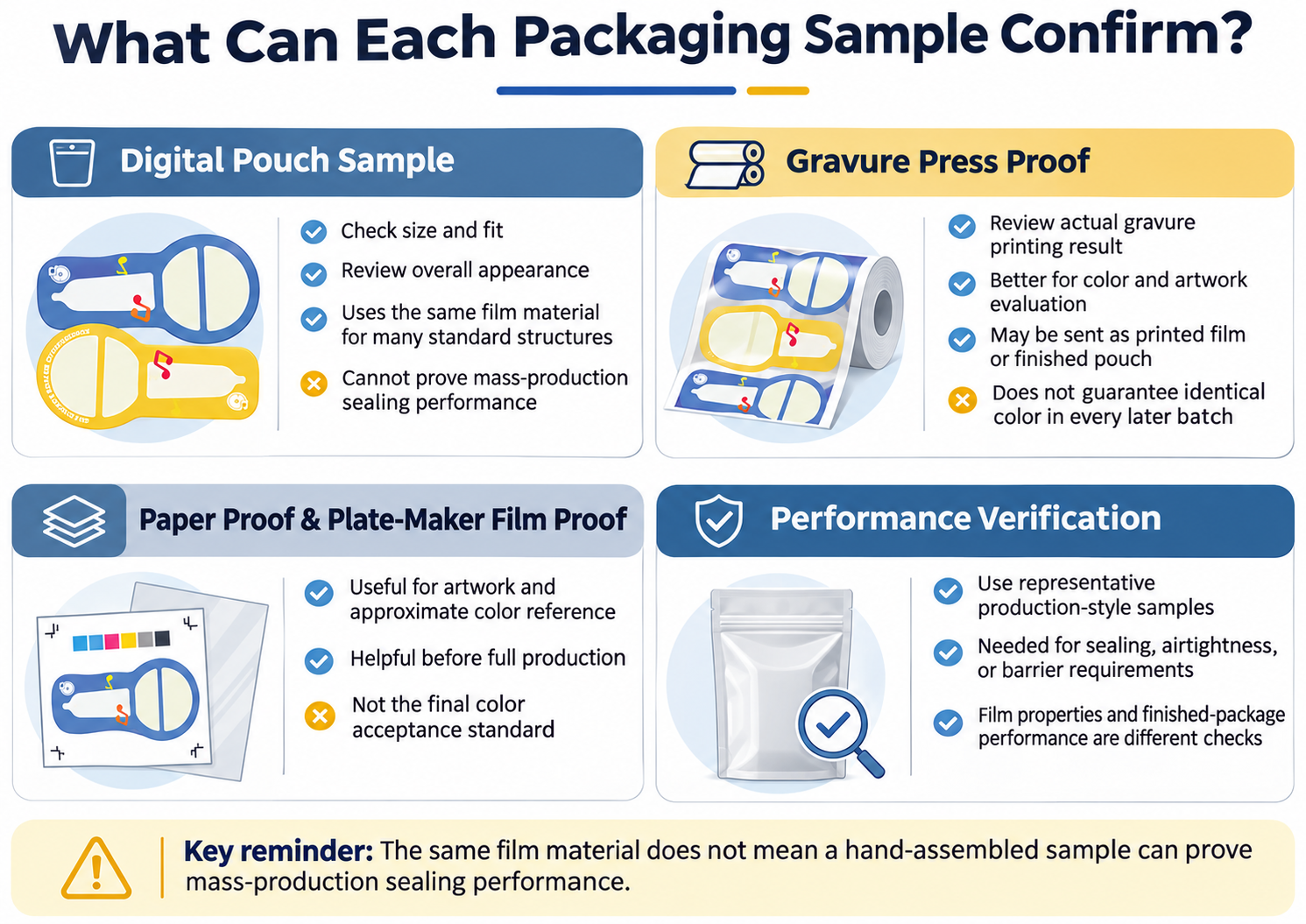
You can place your actual product inside the sample to check the dimensions, pouch shape, and fit. You can also review the logo, text, graphics, and overall packaging appearance.
With commonly used packaging films, a digitally printed sample can use the same film materials planned for mass production. If specialty materials are involved, confirm in advance whether the same materials are available for sampling.
However, using the same materials does not mean the printing process, pouch-making process, or finished performance will be identical.
Digital printing and gravure printing produce different visual results, so the colors and appearance of a digital sample may not exactly match the final gravure-printed packaging.
Also, while the graphics are digitally printed, the finished sample pouch is assembled by hand. Its construction details and seals should not be treated as evidence of mass-production sealing performance.
If you mainly need to check the design, dimensions, and product fit while avoiding early cylinder costs, a digitally printed pouch sample is often a sensible starting point.
Gravure Press Proofing: Reviewing Actual Gravure Printing Results
If your artwork is nearly finalized and the actual gravure-printed colors and graphics are important to your purchasing decision, gravure press proofing may be worth considering.
This involves preparing gravure printing cylinders and running a small trial on the production printing press.
Once the cylinders are ready, the printer adjusts the inks on the press using the agreed color references.
When the colors reach a result the production team considers suitable for customer evaluation, the press prints a limited quantity of film—for example, a few hundred meters rather than the full order.
The trial then ends, the press is stopped, the cylinders are cleaned, and the equipment is prepared for another production job.
Depending on your needs, the printed film can be sent directly to you or laminated and converted into finished pouch samples.
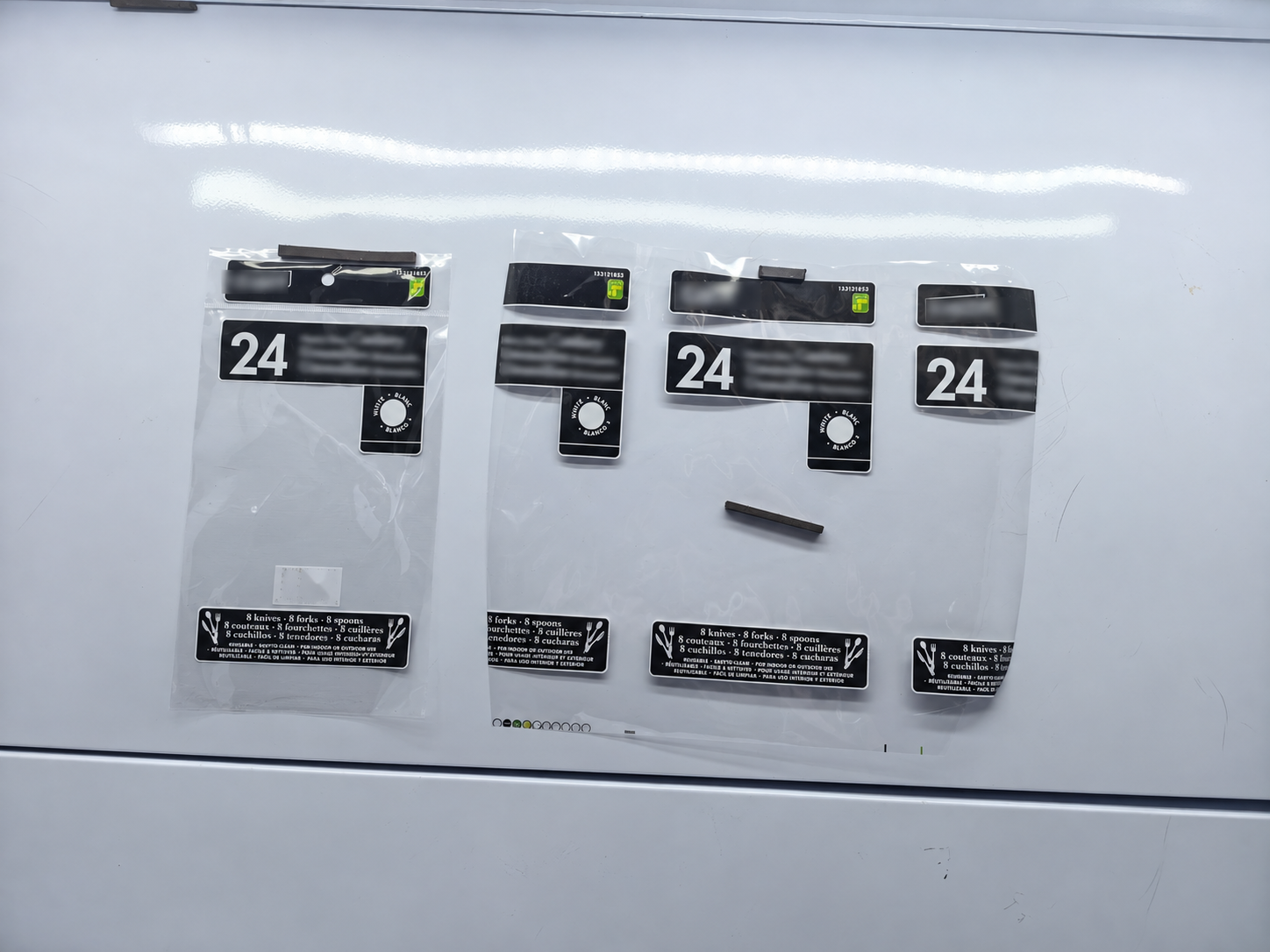
This allows you to evaluate printed colors and graphics produced using the actual gravure printing process.
However, a press proof represents the materials, equipment, and printing conditions used for that trial. It does not guarantee absolutely identical colors in every later production batch.
Why Does Gravure Press Proofing Usually Cost Extra?
A short print run still requires much of the preparation involved in a normal production order.
The factory must arrange cylinder production, prepare the press, adjust the colors, print the sample film, clean the equipment, and change over to another job.
These activities consume production time and resources even when only a small quantity is printed.
As a result, gravure press proofing usually involves cylinder costs and an additional sampling charge.
If you’re planning a larger production order, ask your supplier whether the sampling fee can be credited against the production payment and what conditions would apply.
Any such credit must be agreed upon in advance. It should not be assumed to apply automatically.
If your order value is high and an unacceptable color result could lead to costly rework, wasted packaging, or launch delays, paying for a gravure press proof may be a worthwhile verification expense.
The decision depends on your order size, color requirements, sampling costs, and the potential consequences of a production problem.
Consider Sampling Lead Times, Not Just Costs
Sampling is part of your product development schedule, so timing matters as well as price.
Digitally printed samples do not require gravure cylinders, eliminating that preparation step. However, actual delivery times still depend on material availability, printing, subsequent processing, and shipping.
Gravure press proofing requires cylinder production, press scheduling, and on-press color adjustment. If the sample film also needs to be laminated and converted into finished pouches, these additional steps must be included in the schedule.
You cannot determine the delivery time from the sampling method alone. Confirm the actual lead time with your supplier before placing the sampling order.
Which Sampling Option Fits Your Project?
| Your Main Requirement | Recommended Option |
|---|---|
| You’re developing a new product and future sales are uncertain | Digitally printed pouch sample |
| You want to check pouch dimensions, overall appearance, and product fit | Digitally printed pouch sample |
| You want to avoid paying for gravure cylinders too early | Digitally printed pouch sample |
| You need a closer representation of actual gravure-printed colors and graphics | Gravure press proof |
| You have an existing package and want the new colors to come as close as practical | Provide the original package as a color reference; consider a gravure press proof if needed |
| You need to verify production-level sealing or barrier performance | Production-representative samples and appropriate testing |
The right sampling option isn’t necessarily the cheapest. It’s the one that helps you verify what matters most and reduce the risks relevant to your project.
What Should You Agree on With Your Supplier Before Sampling?
Clarify the following details before work begins:
- Sample type: Are you ordering a physically printed digital pouch sample or a gravure press proof?
- Sample format: Will you receive printed film, or finished pouches after lamination and bag-making?
- Color reference: Will the printer work from an existing packaging sample, a Pantone reference, or another agreed color target?
- Costs and schedule: What does the quote include? Are cylinder costs involved? When will the samples be delivered? Is any credit against a future order negotiable?
- Verification scope: Is the sample intended to check dimensions, appearance, or actual printing results? Will separate representative samples and tests be needed for packaging performance?
Confirming these points in writing helps both sides understand what the sample is intended to demonstrate and what will be delivered.
How Should You Evaluate the Samples You Receive?
Receiving a sample doesn’t mean that every packaging requirement has been verified.
Go back to your original goals and identify what the sample has confirmed and what still needs further evaluation.
Check Dimensions and Overall Appearance
With a complete digitally printed pouch sample, start by placing your actual product inside.
Check the dimensions, gussets, overall shape, and how well the product fits.
Review the logo, wording, and graphics to see whether their placement matches your expectations.
If the dimensions or design need adjustments, it’s best to address them before investing in gravure cylinders.
Because these sample pouches are assembled by hand, certain construction details may differ from machine-made pouches. They are primarily intended for initial checks of size, appearance, and product fit.
Check the Printed Colors
If you have an existing package with colors you want to reproduce, providing a physical sample gives the printer a useful reference for color adjustment.
If no original package is available, you can provide a Pantone color reference.
However, a Pantone reference does not guarantee an exact match on finished packaging. The condition of the physical color guide, the packaging film, and the printing conditions can all affect the final appearance.
If you can visit the factory, you can review the actual print during the press run, request adjustments, and confirm the result when both sides consider it acceptable.
For overseas buyers who cannot attend, a gravure press proof provides another option for reviewing actual printed film or finished pouch samples before committing to full production.
There is also an important distinction between different types of proofs.
After the cylinders are made, the plate-making supplier provides a digitally printed paper proof and a PET or OPP film proof produced on a proofing machine using those cylinders.
These proofs help check the artwork and approximate colors. They are not the final color acceptance standard for mass production.
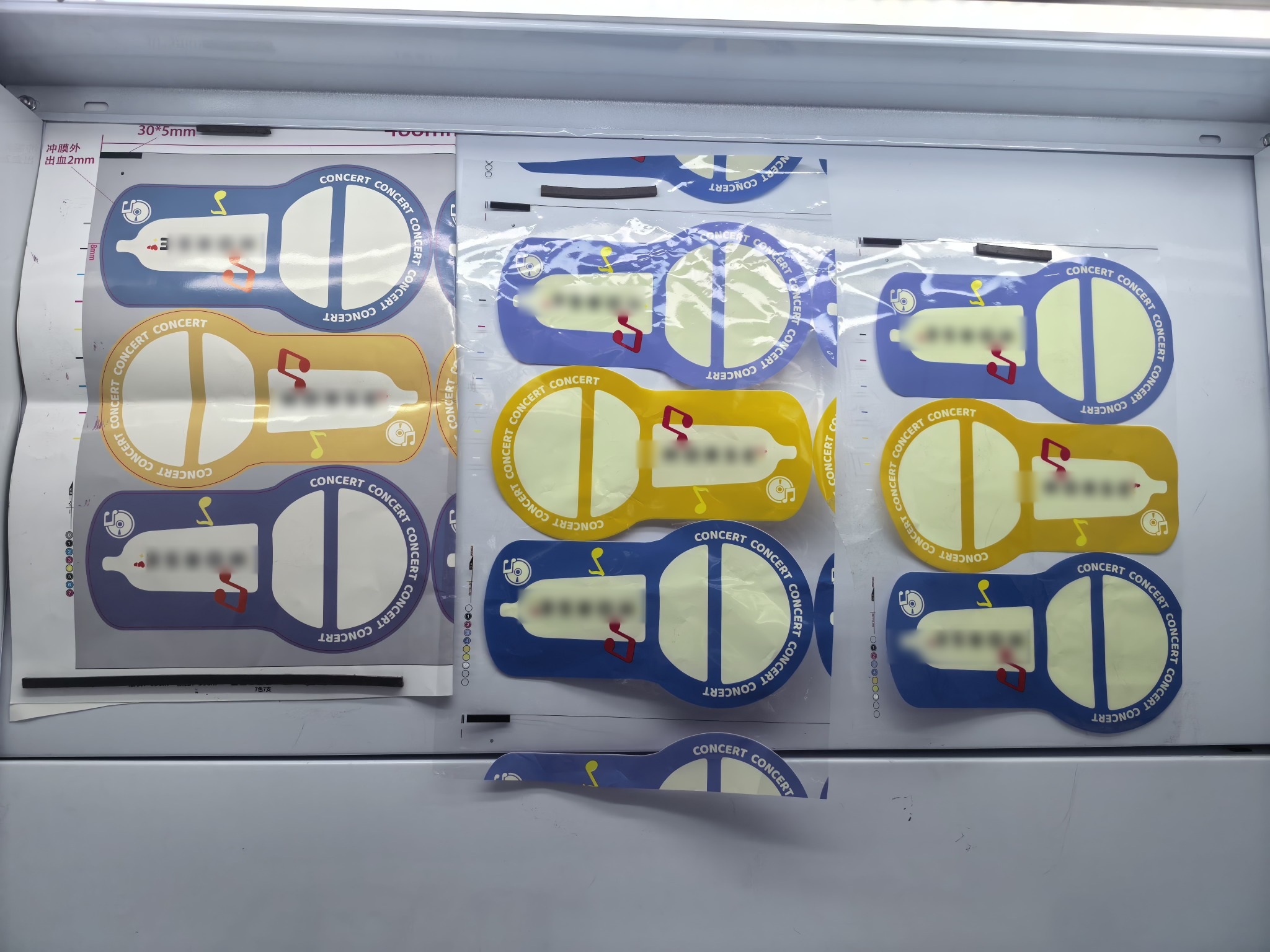
Before production, agree with your supplier on the color reference, how an acceptable result will be judged, and exactly what has been approved.
Check Sealing, Airtightness, and Protective Performance
If your product requires a specific seal strength, airtightness, oxygen barrier, or other protective performance, visual inspection alone is not enough.
Even when a digitally printed sample uses the same film materials planned for production, its hand-assembled construction differs from machine bag-making.
For this reason, the sealing, airtightness, or whole-package oxygen transmission results of a handmade sample cannot automatically be used to demonstrate the corresponding performance of mass-produced pouches.
It’s also important to distinguish between the barrier properties of the film material and the performance of the complete package. Film testing and finished-package seal or barrier testing address different questions.
For packaging with defined performance requirements, discuss the appropriate materials, representative sample-making process, and applicable test methods with your supplier before arranging testing.
A sample that confirms the appearance of your packaging does not necessarily verify its performance in use.
When Are You Ready for Mass Production?
You don’t need every possible test for every packaging project. Instead, confirm the requirements that matter for your particular product and application.
A practical approach is to organize your findings into three categories:
| Status | What to Do Next |
|---|---|
| Confirmed | Keep the approved artwork, sample records, and agreed specifications. Identify exactly which results can serve as production references. |
| Needs changes | Document the required revisions, determine whether they affect previous approvals, and arrange additional sampling where necessary. |
| Not yet verified | Decide whether the outstanding issue affects an essential quality or performance requirement. Arrange representative samples and testing if needed. |
Remember that approving a sample’s appearance does not mean all packaging performance requirements have been verified.
Once the essential requirements are agreed upon, necessary checks are completed, and both sides understand any remaining limitations, you can make a more informed decision about proceeding with production.
Frequently Asked Questions
What Information Should I Provide When Requesting Custom Pouch Samples?
Start with product photos or dimensions, your preferred pouch style, estimated packaging specifications, artwork, and the main points you want to verify.
If you have an existing package or a specific color reference, include that as well.
You should also share your estimated order quantity, preferred sample delivery date, and whether you need complete finished pouches.
Clear requirements help your supplier recommend a suitable sampling method and estimate costs and lead times.
Can I Receive Printed Film Instead of Finished Pouches?
For gravure press proofing, you can discuss the sample format with your supplier.
If your main concern is the printed graphics and colors, the printed film may be sufficient for an initial review.
However, if subsequent lamination may affect the appearance, or if you need to evaluate the finished pouch shape and product fit, discuss whether the film should be laminated and converted into finished pouches.
Agree on the delivery format before sampling starts.
What If the First Sample Doesn’t Meet My Expectations?
First, identify whether the issue involves dimensions, artwork placement, color, or another requirement.
Use clear photos or videos to highlight the problem and explain the result you want.
For color concerns, a physical reference package or an agreed color target is usually more helpful than descriptions such as “a little darker” or “a bit brighter.”
Your supplier can then assess whether the artwork needs revision, the sampling approach needs adjustment, or a new sample is required.
Additional charges and schedule changes depend on the cause of the issue and your agreed terms.
Do I Need a Separate Sample for Every Pouch Size or Design?
Not always. It depends on how the versions differ and what you need to verify.
If several designs share the same pouch style, dimensions, and material, but only the text or graphics differ, ask whether some versions can be checked through artwork approval rather than requiring a separate physical pouch sample.
If the dimensions, material structure, sealing method, or other important specifications differ, don’t assume that the results from one sample apply to the others.
Designs with demanding color requirements may also need separate color approval arrangements.
Can I Change My Artwork After a Sample Has Been Approved?
First, confirm which stage your project has reached.
If gravure cylinders have not yet been produced, you can discuss the revisions with your supplier and approve the updated artwork.
If cylinder production is complete, the changes may require adjustments to the existing cylinders or the production of new ones. This can add costs and affect the schedule.
If the changes involve dimensions, materials, or other requirements that were previously verified, you should also check whether the earlier sample results remain applicable.
After each revision, confirm the latest artwork version and identify which items need to be reviewed again.
Conclusion
Good sampling isn’t about choosing the most complicated or expensive method. It’s about using the right sample to resolve the uncertainties that matter to your purchasing decision.
Whether you’re checking dimensions and appearance during early product development, reviewing actual gravure printing results, or arranging necessary packaging performance tests, each step should serve a clear purpose.
Sampling can’t eliminate every production risk, but it can help you make a better-informed decision before committing to mass production.
If you’re developing custom printed pouches, share your product information, artwork, estimated order quantity, and sampling goals with MINGCHU. We can then discuss suitable sampling options, costs, and delivery arrangements.